
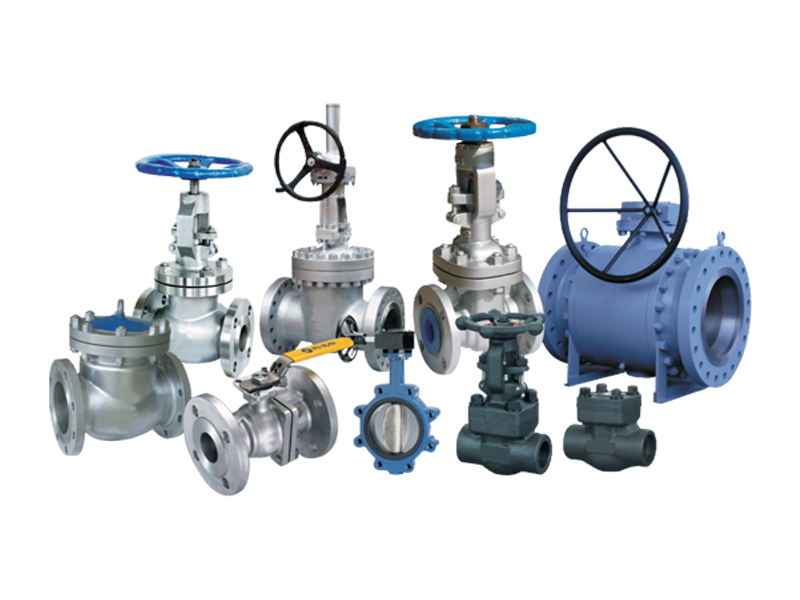
How to choose the right industrial valve
Introduction
Choosing the right valve is not just a technical decision — it’s a financial and operational one. A single wrong valve can cause leaks, shutdowns, energy losses, and unplanned maintenance that cost plants crores every year. Yet, most mistakes are avoidable if buyers know what to look for.
In this blog, we’ll uncover the hidden mistakes engineers and procurement teams often make, show you how to avoid them, and finally explain how Exceed Valves ensures you get a solution that lasts.
1. The Hidden Mistakes in Valve Selection
🔹 Mistake 1: Using Gate Valves for Throttling
-
The problem: Gate valves are designed for isolation, not throttling. When used partially open, the wedge vibrates, erodes, and damages the seat.
-
The impact: Within months, you’ll see leakage across the seat, frequent tightening, and eventual replacement.
-
The fix: Use globe valves or control valves where regulation is needed.
🔹 Mistake 2: Ignoring Flow Direction in Check Valves
-
The problem: Swing and lift check valves rely on flow direction. Installing them backwards or in turbulent zones causes “water hammer” and rapid wear.
-
The impact: Pumps experience pressure surges, seats crack, and pipelines face vibration fatigue.
-
The fix: Always follow the flow arrow marked on the body and install in stable, non-turbulent flow sections.
🔹 Mistake 3: Overlooking Gasket Surface Finish
-
The problem: Buyers often focus on flange type (RF, RTJ, etc.) but miss the importance of surface roughness.
-
The impact: Even with the right gasket, a poor finish leads to micro-leaks, energy loss, and repeated shutdowns.
-
The fix: Ensure machining is within ASME B16.5 finish tolerances for reliable sealing.
🔹 Mistake 4: Choosing Materials on Price Alone
-
The problem: Many select carbon steel (WCB) simply because it’s cheaper. But in corrosive or high-temperature service, this choice backfires.
-
The impact: Corrosion, cracking, and valve failure far earlier than expected.
-
The fix: Match body and trim material to service conditions — stainless steels (CF8, CF8M) or alloys often save more in the long run.
2. Practical Guidelines for Smarter Selection
-
Define function clearly: On/Off isolation (Gate/Ball), throttling (Globe), non-return (Check), safety (Safety valve), large flows (Butterfly).
-
Match valve size and actuator type to application: Oversized valves cause poor control; undersized ones create excessive ΔP.
-
Factor in service conditions: Medium, pressure, temperature, and cycling frequency determine both body material and trim design.
-
Consider lifecycle cost, not just purchase cost: A slightly higher upfront cost in materials or design can save years of headaches.
3. Insider Tips Engineers Don’t Usually Hear
-
Seat design > Valve type: A metal-seated ball valve may outperform a globe in erosive slurry.
-
Surface prep matters: Even the best gasket fails if flange serrations are off spec.
-
Backflow control is installation-sensitive: Poor positioning of check valves causes hammer even with good design.
-
Pressure rating ≠ durability: Two Class 300 valves can behave very differently depending on design quality and testing.
4. How Exceed Valves Helps You Avoid These Pitfalls
At Exceed, we’ve seen these mistakes in plants across industries — and we’ve engineered our valves to solve them:
-
Application-Specific Design: Every gate, globe, ball, butterfly, check, strainer, and safety valve is designed for its intended duty.
-
Rigorous Testing: 100% valves undergo API 598 hydrostatic & seat testing, ensuring performance under pressure.
-
Material Expertise: We guide buyers on body and trim materials for long service, not just lowest upfront cost.
-
Quality Assurance: Precision-machined sealing surfaces, calibrated gauges, and documented inspections ensure consistency.
-
Support Beyond Supply: Our team advises on installation orientation, actuator sizing, and maintenance practices.
This means buyers don’t just receive a valve — they receive a solution tested for reliability, safety, and lifecycle value.
5. Key Takeaways
-
Don’t throttle with gate valves; don’t ignore check valve flow direction.
-
Don’t overlook gasket surface finish or select materials only on price.
-
Always consider function, service conditions, and lifecycle cost.
-
Work with a manufacturer who tests, guides, and supports beyond the purchase order.
✅ Final Word
Valve selection is about more than specs on a datasheet. It’s about understanding real-world plant conditions, preventing costly mistakes, and choosing a partner who values reliability as much as you do.
At Exceed Valves, we combine 30+ years of expertise, API/ASME compliance, and customer-focused engineering to ensure your plant gets the right valve — every time.